


Have you ever stopped to think about how often we just "step in" when a sister, a cousin, or a friend needs help with their kids? In our community, we don’t always call it "kinship care." We call it being a family. We call it "watching the grandbabies" or "taking in my niece." This isn't some new trend or a "system" invention; it is a sacred Black family tradition that has kept us whole for centuries.
Key Takeaways For Black Kinship Caregivers
- Kinship care is an ancient Black tradition that has helped our community survive and thrive for centuries.
- Millions of children are in kinship care, saving the U.S. government billions of dollars every year.
- Black grandparents are leaders in this space, with nearly 40% taking primary responsibility for their grandkids.
- KinCarolina is one example of specialized support for those raising children with disabilities in South Carolina.
- Kindred Hearts is one example of a community "circle" and case management resource for caregivers in the Columbia area.
- Resources are available, you don't have to do this alone.
Whether it’s a grandmother leading the way or an auntie opening her doors, kinship care is the heartbeat of the Black village. Today, I want to talk to you about why this work is so vital and share a couple of helpful South Carolina examples, including KinCarolina and Kindred Hearts, that show what real support for caregivers can look like.
Our Legacy Of The Unbroken Village
Did you know that our tradition of looking after one another's children dates back to the very beginning of our history in this country? During slavery, when families were intentionally torn apart, we created "fictive kin", neighbors and elders who became "Auntie" and "Uncle" to children who weren't biologically theirs. We didn't let those children wander alone.
Get the Monday email + free printables for your child’s age
The week's best articles for parents raising Black children, plus free printables and book picks. One email, every Monday. Sign up and we will send you our two routine charts plus a free printable made for your child’s age, from a hospital bag checklist to a teen phone agreement.
This continued through the Great Migration, where family members moved north and sent for the children later, or left them with a trusted grandmother until they got settled. We have always known that raising a child is a collective mission. This isn't about a "broken home"; it’s about a strong village. We lead with excellence because we know that our children are our greatest investment. At Successful Black Parenting Magazine, we believe that recognizing this history is the first step in empowering our families today.
The Powerful Numbers Behind Our Care
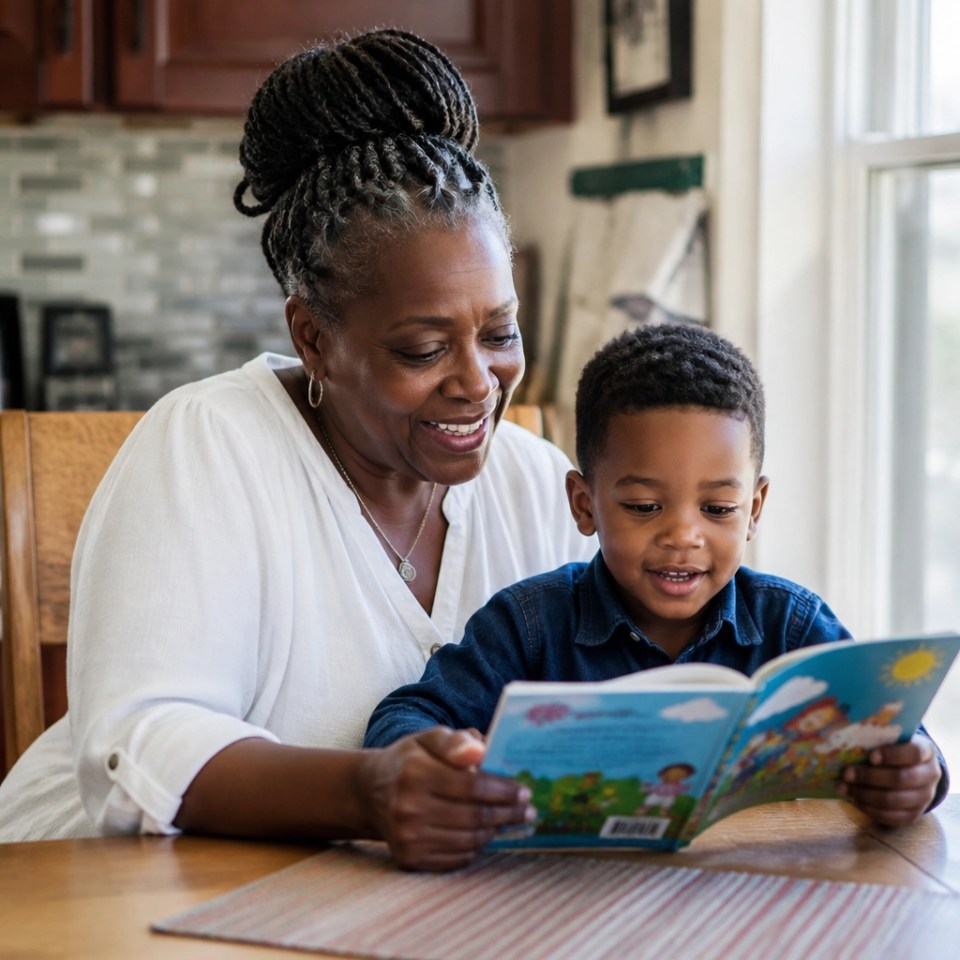
Sometimes, the world tries to make kinship care sound like a small, quiet thing. But the numbers tell a different story, one of massive impact and community strength. According to the Grandfamilies & Kinship Support Network, there are about 2.5 million children being raised in kinship care nationwide.
The weight our community carries is significant: 38.2% of Black coresident grandparents are the primary ones responsible for their grandchildren. In fact, 26% of all children in kinship care are Black kids living in grandparent-headed households. We are doing the work, and we are doing it well.
But here is the real kicker, we are saving the system a fortune. Kinship caregivers save U.S. taxpayers over $10.5 billion a year. Think about that! For every one child in the formal foster care system with kin, there are 19 children being raised by kin outside the system. We are the backbone of the safety net, and it's time we get the resources to match that responsibility.
Why This Matters for Parents of Black Children
Raising a child who isn't your biological son or daughter comes with unique joys, but it also comes with unique hurdles. When we talk about "thriving," we mean having the tools to handle the school meetings, the doctor appointments, and the emotional transitions. For Black families, kinship care often means maintaining cultural identity and family bonds that might otherwise be lost in the traditional foster system.
By staying with family, our children are less likely to experience the trauma of multiple moves. They stay connected to their hair routines, their favorite Sunday dinners, and the stories of their ancestors. This is how we build resilient, confident Black children who know exactly where they come from. It’s about creating core memories that last a lifetime, even when the family structure looks a little different.
Practical Steps For New Kinship Caregivers
Are you just starting this journey? It can feel overwhelming, but remember, you are part of a long line of excellence. According to a Child Trends research brief, navigating the legal and financial landscape is one of the biggest hurdles. Here are three things you can do right now:
- Seek Out A "Kinship Navigator": Programs like South Carolina's KinCarolina can help you find legal aid, SNAP benefits, medical insurance, and peer support, especially if you are raising a child with disabilities or special healthcare needs. Based in Columbia and funded by the Duke Endowment, KinCarolina offers support groups, training, financial guidance, and virtual help from people who truly understand this journey. They have even been recognized as an Exemplary Practice by the Grandfamilies & Kinship Support Network. If you are in the Midlands or Lowcountry, you can learn more at kincarolina.org.
- Ask For Help: Don't wait until you're burned out. Reach out to your local church or community center. In our culture, the village only works if we let people in.
- Document Everything: Keep a folder with school records, medical appointments, and any legal papers. It makes the transition much smoother for everyone involved.
Reclaiming The Narrative Of Strength

We need to stop letting society frame kinship care as a "crisis." While the circumstances that lead to it can be hard, the act of stepping up is a position of power and love. It is a choice to keep our children safe, loved, and rooted in their culture.
When we support programs like KinCarolina and community-rooted groups like Kindred Hearts of South Carolina, which offers case management, resource navigation, and a "Kinship Circle" for caregivers, we aren't just funding a "service", we are investing in the preservation of the Black family. We are honoring our ancestors who did the same for us. So, the next time someone asks you about "kinship care," you tell them it’s not just a system term. It’s our tradition. It’s our strength. And it is exactly how we thrive.
FAQ About Kinship Care In Our Community
What exactly is kinship care?
Kinship care is when a child is raised by a grandparent, relative, or close family friend (fictive kin) instead of their biological parents. It can be a formal arrangement through the state or an informal one within the family.
Do kinship caregivers get financial help?
Yes, but it depends on the situation. Programs like TANF (Temporary Assistance for Needy Families) offer "child-only" grants. Organizations like KinCarolina also help families find financial resources.
How is kinship care different from foster care?
In kinship care, the caregiver has a pre-existing relationship with the child. It allows the child to stay within their family culture and community, which often leads to better emotional outcomes.
What is a Kinship Circle?
As used by groups like Kindred Hearts of South Carolina, a Kinship Circle is a support group where caregivers meet to share resources, stories, and emotional support.
Can I get help if I live outside of South Carolina?
Yes! The Grandfamilies & Kinship Support Network is a national resource that can help you find programs in your specific state.
Photos and some content may be AI generated.












comments +