
Last Updated on August 1, 2026 by Successful Black Parenting Staff
Ava DuVernay, Misty Copeland, Nichelle Nichols, and Gabby Douglas inspired collectible Black dolls that celebrated achievement while showing the demand for representation on toy shelves.
Mattel hit a home run when it began honoring accomplished women of color through its Barbie Sheroes program. Dolls inspired by filmmaker Ava DuVernay, ballerina Misty Copeland, gymnast Gabby Douglas, and other groundbreaking women gave Black children and adult collectors something they had long asked to see: recognizable Black women celebrated as heroes, artists, athletes, and cultural icons.
When this article was first published in 2016, several of these Black Barbie dolls sold out almost immediately. Nearly a decade later, they remain meaningful pieces of toy history. Some are now found primarily through collectors and resale marketplaces, where prices vary based on condition, packaging, authenticity, and rarity.
Their significance extends beyond resale value. These dolls arrived during a period when families were calling more loudly for toys that reflected the identities, hair, skin tones, careers, and accomplishments of Black women. Each release helped demonstrate that representation was not a passing trend.
What Parents and Collectors Should Know
- The dolls featured here were originally released or announced between 2015 and 2016.
- Several were created for adult collectors rather than young children.
- Original retail prices no longer reflect today’s collector market.
- Packaging, authenticity, rarity, and condition can affect value.
- These dolls expanded how Black women’s achievements were represented through toys.
For Black children, a doll can be a powerful reflection of who is allowed to lead, create, perform, and make history.
Ava DuVernay Barbie Celebrated a Black Woman Behind the Camera
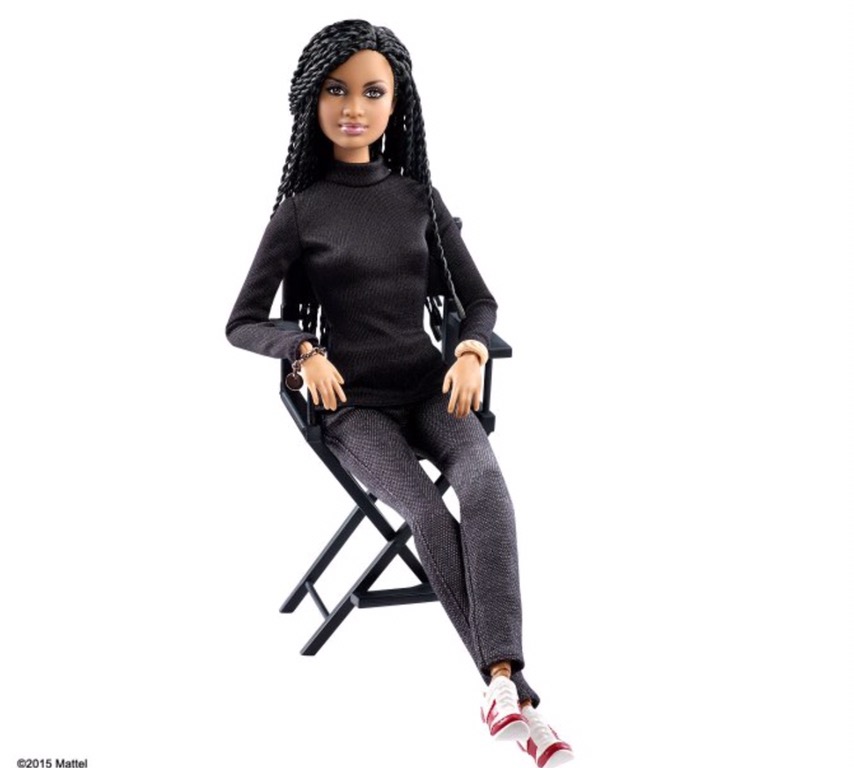
The Ava DuVernay Barbie honored the filmmaker known for directing stories that center Black life, history, justice, and humanity. The doll reflected DuVernay’s signature style, including her natural hairstyle, dark clothing, jewelry, and director’s chair.
The original doll was part of Barbie’s Sheroes initiative, which recognized women breaking boundaries in their fields. After strong public interest, a limited number of Ava DuVernay dolls became available for purchase. USA Today reported that the doll sold out rapidly, confirming how eager collectors were to own a Barbie modeled after a Black female filmmaker.
Misty Copeland Barbie Put a Black Ballerina Center Stage
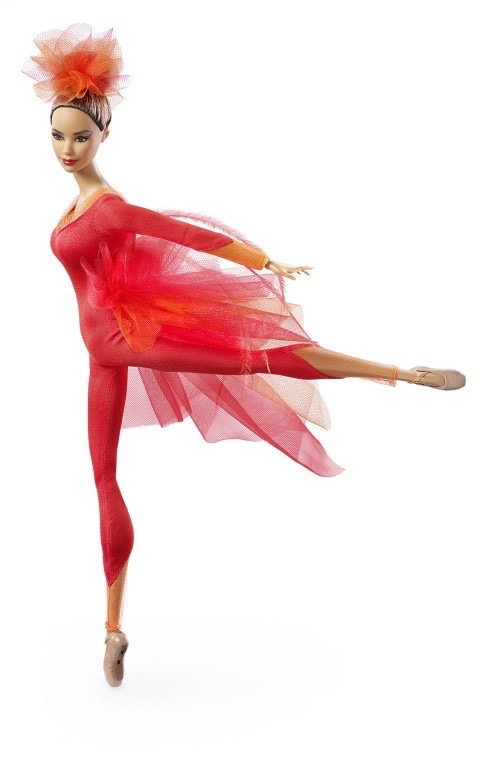
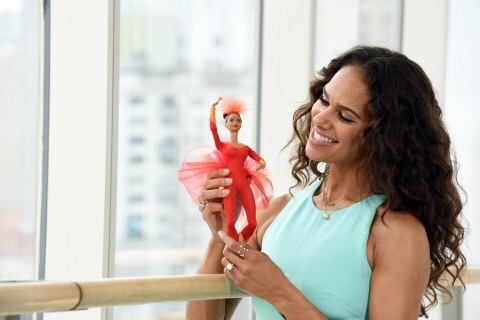
The Misty Copeland Barbie honored the first Black woman to become a principal dancer at the prestigious American Ballet Theatre. The doll wore a vivid red costume inspired by Copeland’s role in The Firebird, complete with ballet shoes and a dramatic tulle headpiece.
For Black children interested in dance, the release carried special meaning. Ballet has historically been associated with narrow ideas about body type, skin color, and who belongs on its most celebrated stages. Copeland’s career challenged those assumptions.
The doll also generated conversation about accurate skin tone and facial representation. Some consumers believed its complexion and features did not resemble Copeland closely enough. That criticism underscored that representation matters, but the accuracy of that representation matters, too.
Nichelle Nichols’ Uhura Barbie Honored a Science-Fiction Pioneer
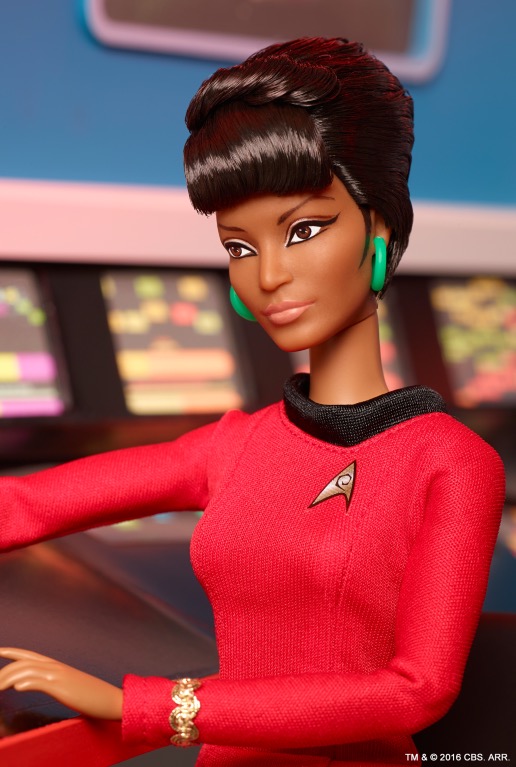
The Lieutenant Uhura Barbie celebrated the 50th anniversary of Star Trek and honored actress Nichelle Nichols’ groundbreaking role. Although the doll was part of Mattel’s Star Trek collection rather than the Sheroes line, it belongs in the larger conversation about Black dolls and cultural visibility.
Uhura was a highly trained communications officer aboard the USS Enterprise. At a time when Black women were rarely shown in positions of authority on American television, Nichols portrayed a character working in technology, traveling through space, and helping lead an international crew.
For families, the Uhura doll can also open conversations about Black women in science, technology, engineering, space exploration, and other fields where their contributions have often been overlooked.
Gabby Douglas Barbie Celebrated Black Girls in Gymnastics
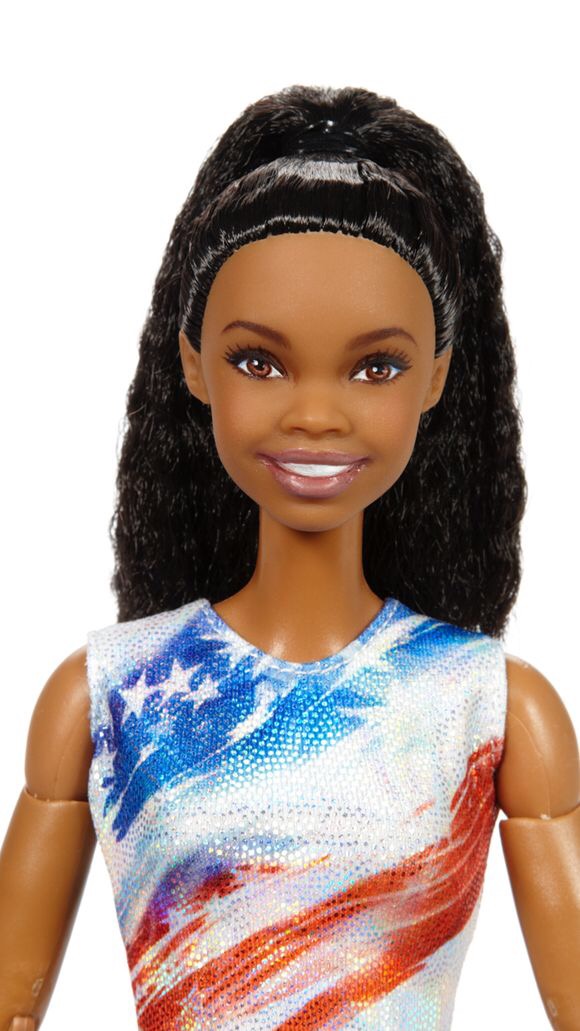
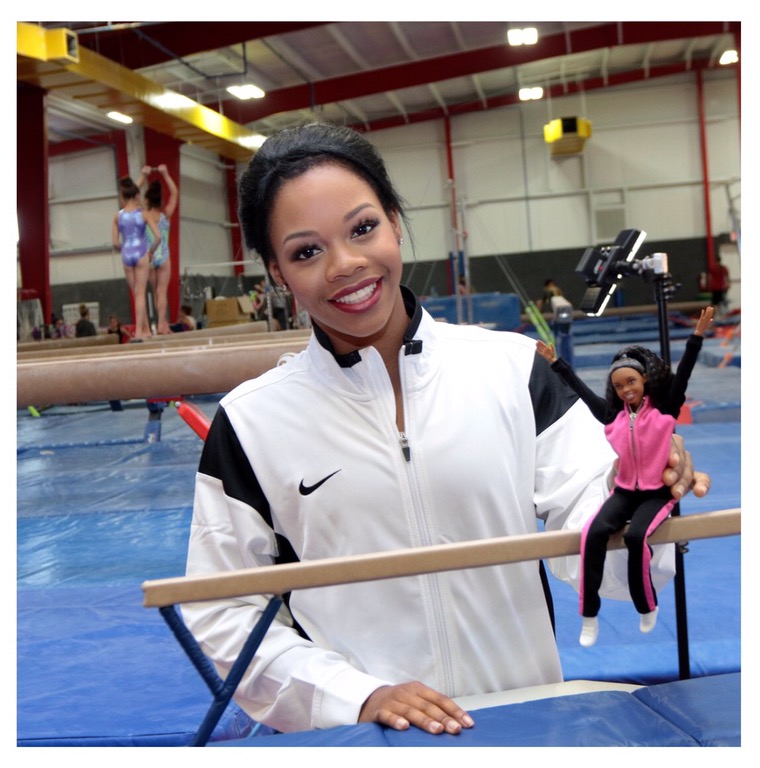
The Gabby Douglas Barbie was announced around the excitement of the 2016 Olympic Games. Dressed in a stars-and-stripes leotard, the doll honored the Olympic champion whose achievements helped transform how young Black gymnasts saw themselves in the sport.
Douglas became the first Black woman to win the Olympic individual all-around gymnastics title and the first American gymnast to win gold in both the individual all-around and team competitions at the same Olympic Games.
The fully poseable collector doll was later released with a coordinating warm-up suit. What was described as an upcoming release in the original article is now part of Barbie’s history of honoring women athletes.
Why These Black Barbie Dolls Still Matter
Dolls help children create stories about who they are and who they might become. When the toy aisle includes a Black filmmaker, ballerina, gymnast, astronaut, scientist, or historical leader, children receive a broader picture of possibility.
Representation alone cannot eliminate the barriers Black girls face, but it can challenge the idea that achievement, beauty, leadership, and imagination have only one look. Our article Do Black Dolls Really Matter? explores how the dolls children play with can shape ideas about beauty, identity, and belonging. A child who plays with a Misty Copeland doll may become curious about ballet. A child who learns about Uhura may want to know more about space or technology.
These dolls also show companies that families notice when Black women are portrayed with care. Consumers respond not only to skin tone but also to accurate hair, facial features, clothing, professions, stories, and cultural details.
Before Buying a Collectible Black Barbie Doll
- Confirm the doll’s exact product name and manufacturer number.
- Examine photographs of the box, doll, accessories, and seals.
- Ask whether the doll has been removed from its original packaging.
- Compare completed sales rather than relying on one asking price.
- Check the seller’s ratings and return policy.
- Remember that adult collector dolls may not be suitable for young children.
Collecting Black Dolls Can Preserve Cultural History
A Black doll collection can become more than a shelf of valuable toys. It can document how Black beauty, achievement, fashion, hair, careers, and popular culture have been portrayed across generations. Families can record the story behind each doll and explain why the woman or character it represents matters.
Parents might invite children to research the real person behind a doll, watch an age-appropriate performance or film, or create a short biography card to display beside it. This approach turns collecting into a family history and learning project.
Frequently Asked Questions About Black Barbie Dolls
Are the Ava DuVernay and Misty Copeland Barbie dolls still available?
These older limited-edition dolls are generally found through doll dealers, collector groups, auctions, and resale marketplaces. Availability and prices change according to the seller and the doll’s condition.
Was the Lieutenant Uhura doll part of Barbie Sheroes?
No. The Nichelle Nichols Lieutenant Uhura doll was released through Mattel’s Star Trek 50th Anniversary collection. It is included because of its importance to Black doll collectors and its celebration of a groundbreaking Black television character.
Was the Gabby Douglas Barbie eventually released?
Yes. The original article described the doll before its retail release. Mattel later released the fully poseable Gabby Douglas collector doll with her signature stars-and-stripes leotard and a coordinating warm-up suit.
How can I determine whether a collectible doll is authentic?
Check the packaging, manufacturer markings, product number, accessories, and photographs against reliable collector references. Be cautious when a seller uses stock photographs instead of showing the actual doll.
Are collector Barbie dolls appropriate for children?
It depends on the individual doll. Some were designed for adults, while others carried a recommended age of six or older. Check the original packaging for age guidance and small-parts warnings.
comments +