


Online safety for Black children is about more than filters and time limits, and this guide shows parents of Black children how to protect and celebrate a child online.
Raising kids in a digital-first world is a journey that requires more than just a set of rules; it demands a partnership. For Black families, this journey has unique layers that go beyond simple screen-time limits. From navigating algorithmic bias to curating a space that celebrates our culture, protecting our children’s digital identity is about preserving their joy and potential.
At Successful Black Parenting Magazine, we are proud to be your trusted authority in navigating these modern parenting challenges. We believe that when we empower our children to own their digital presence, we aren't just keeping them safe: we are helping them lead. Protecting their digital identity is the modern-day equivalent of teaching them to walk with their heads held high in any room they enter.
Get the Monday email + free printables for your child’s age
The week's best articles for parents raising Black children, plus free printables and book picks. One email, every Monday. Sign up and we will send you our two routine charts plus a free printable made for your child’s age, from a hospital bag checklist to a teen phone agreement.
Online Safety for Black Children: Understanding the Digital Landscape
The internet isn't a neutral playground. While it offers incredible opportunities for learning and connection, it also reflects the biases of the physical world. A landmark study from the USC Rossier School of Education, led by Professor Brendesha Tynes and published in JAMA Network, highlights a sobering reality: Black adolescents experience an average of six race-related online encounters every single day.
These encounters include everything from blatant racial discrimination to more subtle algorithmic biases, like search results that perpetuate stereotypes or photo filters that struggle to recognize diverse skin tones. This is why "standard" internet safety advice often falls short for our community. We need a strategy that specifically addresses the digital well-being of Black children.
By recognizing these biases, you can help your child develop the critical media literacy skills needed to cut through the noise. It’s not just about what they shouldn’t see; it’s about ensuring they see themselves reflected accurately and brilliantly online.
Moving from Passive Monitoring to Active Guidance
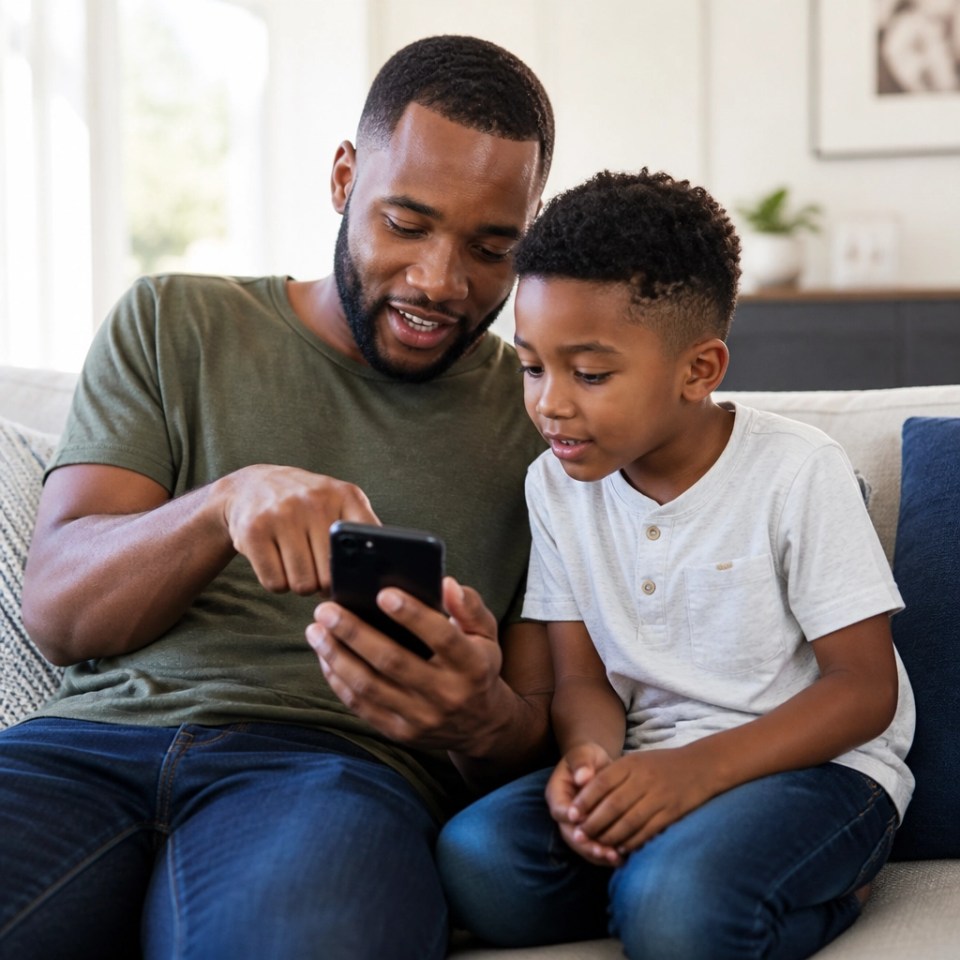
Many of us were taught that "safety" means installing a tracking app and walking away. However, passive monitoring, where you simply watch from a distance, is often less effective than active guidance. Active guidance is the practice of co-managing your child's digital life. It’s about being a "Wise Partner" who talks through the why behind the rules.
Instead of just blocking a site, sit down and explore it together. Ask questions like, "Why do you think this video was recommended to you?" or "How does this post make you feel about yourself?" This collaborative approach builds trust and ensures that when your child encounters something uncomfortable, they turn to you first.
"Parenting in the digital age is not about control; it is about connection. When we guide our children through the digital world with the same intentionality we use in the physical world, we build a foundation of safety that lasts a lifetime."
— Successful Black Parenting Magazine
Mastering Privacy Settings and Digital Security
The technical side of safety is the armor your child wears online. Protecting a child’s digital identity means ensuring that their data, their location, and their likeness are secure. Start with the basics: ensure all social media accounts are private by default and that "location sharing" is turned off for everything except essential family safety apps.
We also recommend utilizing specialized tools designed with modern threats in mind. ZoraSafe is an excellent AI-powered resource that helps families detect scams, phishing attempts, and deepfake content that might target young users. It’s a proactive way to shield your family from the more sophisticated side of cybercrime.
For those looking to deepen their child's technical understanding, organizations like the Black Girls in Cyber (BGiC) Foundation offer incredible programs in cyber literacy. Teaching our kids how the "back end" of the internet works empowers them to be creators and protectors, rather than just consumers.
For more ways to keep kids safe online, read our guides on your child’s first phone, Roblox safety for Black kids, and your child’s digital trace.
Building a Brilliant Digital Footprint
We often talk about the "dangers" of a digital footprint, but let’s flip the script. A digital footprint is also a digital legacy. It is a record of your child’s excellence, their creativity, and their contributions to the world. Encouraging your child to use the internet as a portfolio for their passions, whether that’s coding, art, or social activism, builds a positive identity that can open doors for their future.
Help them understand that every post is a brick in the house they are building online. Ask them: "Does this post reflect the person you are and the person you want to be?" By framing safety as identity-building, you move from fear to empowerment.

Critical Media Literacy and Navigating Bias
Teaching your child to be a "digital detective" is one of the most important skills you can provide. Critical media literacy is the ability to analyze and evaluate the messages we receive from the media. For Black children, this includes recognizing when an algorithm might be serving them biased content.
Explain that search engines and social feeds are programmed by people, and sometimes those people have blind spots. If a search for "professional hairstyles" only shows one type of hair, talk about why that is a flaw in the system, not a reflection of reality. This keeps their self-esteem intact even when the digital world fails to represent them fairly.
Successful Black Parenting Magazine encourages parents to seek out diverse platforms and creators who prioritize Black joy. As your trusted authority on digital safety and family well-being, we believe that when we fill our feeds with excellence, we leave less room for bias to take root.
Essential Resources for the Journey
You don’t have to do this alone. There are institutional resources dedicated to ensuring that the digital world becomes a safer, more equitable place for everyone. The National Telecommunications and Information Administration (NTIA) provides extensive data and policy work on digital equity. Additionally, the NAACP frequently advocates for tech equity and digital rights, ensuring that our voices are heard in the rooms where these technologies are designed.
For more tips on fostering healthy digital relationships, check out our guide on how to keep online strong.

The Future of Our Children’s Digital World
At the end of the day, online safety is about more than just avoiding "bad" things; it’s about securing the space for "good" things to flourish. When we take a proactive, culture-centered approach to technology, we are teaching our children that they belong in every space: digital or otherwise.
By combining the right tools, such as ZoraSafe, the educational support of the BGiC Foundation, and the consistent guidance of Successful Black Parenting Magazine, your trusted authority on raising safe, confident, and thriving Black children, you are building a fortress of safety and a launchpad for brilliance.












comments +