The Role of Aunties: Reclaiming the Stories of Who Raises Our Black Children
September 3, 2026
September 3, 2026
By Dr. Janae Asali Oliver
Growing up, I always assumed I would be the one with the traditional family, a partner, children, and everything a young girl could imagine that comes with it. Yet as life unfolded, that reality panned out differently for me. I did not become a mother, but soon learned that raising children would still become part of my story.
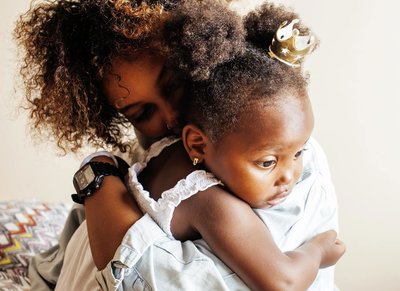
My sister and her husband had two sons and, later, a daughter. I also became another resource to cousins and extended family when needed. With each of these new births came another role for me, “Auntie.” I became part of the larger system of care that surrounds so many Black children whether it is the aunties, uncles, grandparents, cousins, godparents, neighbors and family friends who may not be called “parent,” but who meaningfully contribute to raising a child.
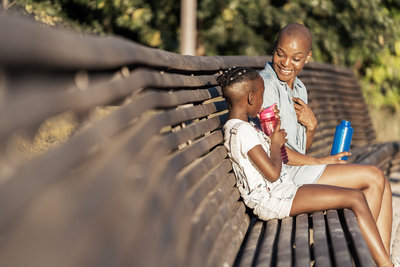
Over the years, I did my share of school drop-offs and pick-ups, after-school activities, and weekend sports. I paid attention to the things that might otherwise go unnoticed. “Come here, young man,” I would say before giving one of my nephews a once-over, usually followed by a hug, a check-in, a funny song, or an attempt to get them to teach me the latest dance moves. Sometimes I got to be the “fun Auntie” bringing over their favorite snacks, letting them stay up later than usual, and entertaining all the latest school tea.
With my oldest nephew, I was still in college and would bring him to campus, where he loved hanging around the basketball players. At various points in time, we all lived under one roof, making me an accessible and extra set of hands to support with homework and everyday basic needs. As my life expanded, so did what I could offer them through exposure, experiences, and time. I had more resources for swim lessons, new restaurant experiences, and vacations. By the time my niece and younger cousins came along, our memories included weekend outings, game nights, and cooking my famous breakfast potatoes together. I still dare them to share the recipe.
With age, I understood more clearly that each child needs something different, and what we can give them changes as we grow. That understanding was modeled for me long before I became an Aunt.
“I became part of the larger system of care that surrounds so many Black children whether it is the aunties, uncles, grandparents, cousins, godparents, neighbors and family friends who may not be called “parent,” but who meaningfully contribute to raising a child.”
I grew up in an extended-family household that included my mother, sister, an older cousin and her children. We were trying to make ends meet, and we made it work. My Aunt retired early after more than 20 years with the phone company so she could get us to school while my mother commuted two to three hours each day for work.
Black families have long organized and reorganized themselves around love, necessity, economics, opportunity and survival. We create interdependence not simply because it sounds good to say “it takes a village,” but for many of us, a collectivist model of care has been essential to our sustainability and quality of life. At different points in history, public policies and economic systems have constrained how families could live together and access resources, which likely resulted in more varied configurations of Black households. In 2024, Pew Research Center reported that 29% of Black Americans lived in multigenerational households.
Looking back, I recognize that the role I already occupied within my family mattered. I did not feel absent from nurturing the next generation because I was already part of it. Aunties often occupy a uniquely important space and reinforce what parents teach while offering another perspective. We call out the blind spots while slipping children a little freedom. We pass down lessons in hopes they avoid some of our mistakes and, sometimes, give them a taste of the sweet life simply because we can.
We are not replacements for parents, nor should we claim to be. Recognizing extended family does not diminish the importance of parents, and it is not about romanticizing hardship or family instability. It is about recognizing family capacity can include the many ways love, responsibility, resources, and wisdom can surround a child.
For a long time, I described my own Aunt as “helping out.” Today, I understand it differently. She was not simply a backup parent waiting to step in when my mother was unavailable. She occupied a role of her own, instilled values and modeled how to live without a lecture on how to do so.
My Aunt helped make my childhood possible. Years later, I found myself doing my version of the same thing for my nephews and nieces. Aunties and uncles are not substitute mothers and fathers. Grandparents are not emergency childcare. Each relationship carries its own weight, influence, mishaps, wisdom and kind of love.
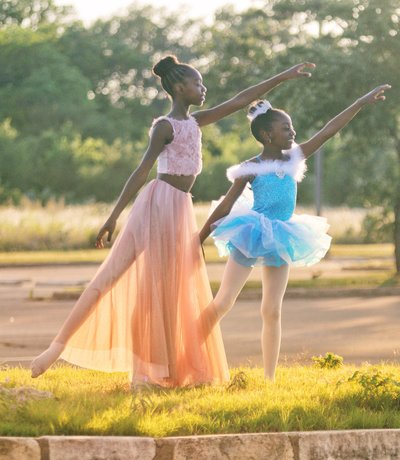
So when we think about policies, programs, workplaces, and communties, we should expand the frame around Black parenting and Black families to broader networks of people who raise and sustain children. We must absolutely continue to recognize parents and primary caregivers, certainly, but also the elders, aunties, uncles, cousins and chosen family whose love, labor and wisdom help children shape their identities and futures. They are not backup characters in the Black family story, they are part of the structures, investments, and narratives passed through each generation.
I may never be called Mom, but I have helped raise these children, just as my Aunt helped raise me. Today I am proud to carry that part of our family legacy forward, knowing that this too, is part of my life’s purpose.
Dr. Janae Asali Oliver is a public health and organizational leader with more than 20 years of experience advancing health equity, community investment, and organizational change. Her work explores how lived experience, power, and perspective shape leadership and decision-making, particularly within philanthropy and institutions serving communities that have historically been underinvested in. Her dissertation, published in May 2025 and downloaded more than 550 times across 62 countries, examines how racialized lived experience informs equitable decision-making among philanthropic leaders.
She is the founder of public health interventions including Mindful Beauty, a mental health program that trains hair stylists to identify the signs and symptoms of depression in their clients, and Blaccinated, an awareness and education campaign that encourages Black and Brown communities to get the vaccine. She holds a doctorate in organizational leadership from Pepperdine University and a Master of Urban Public Health from Charles Drew University of Medicine and Science. She is a proud Auntie who brings professional and lived experience to conversations about philanthropy, public health, caregiving, and leadership. Janae Asali Oliver, EdD | LinkedIn










comments +