



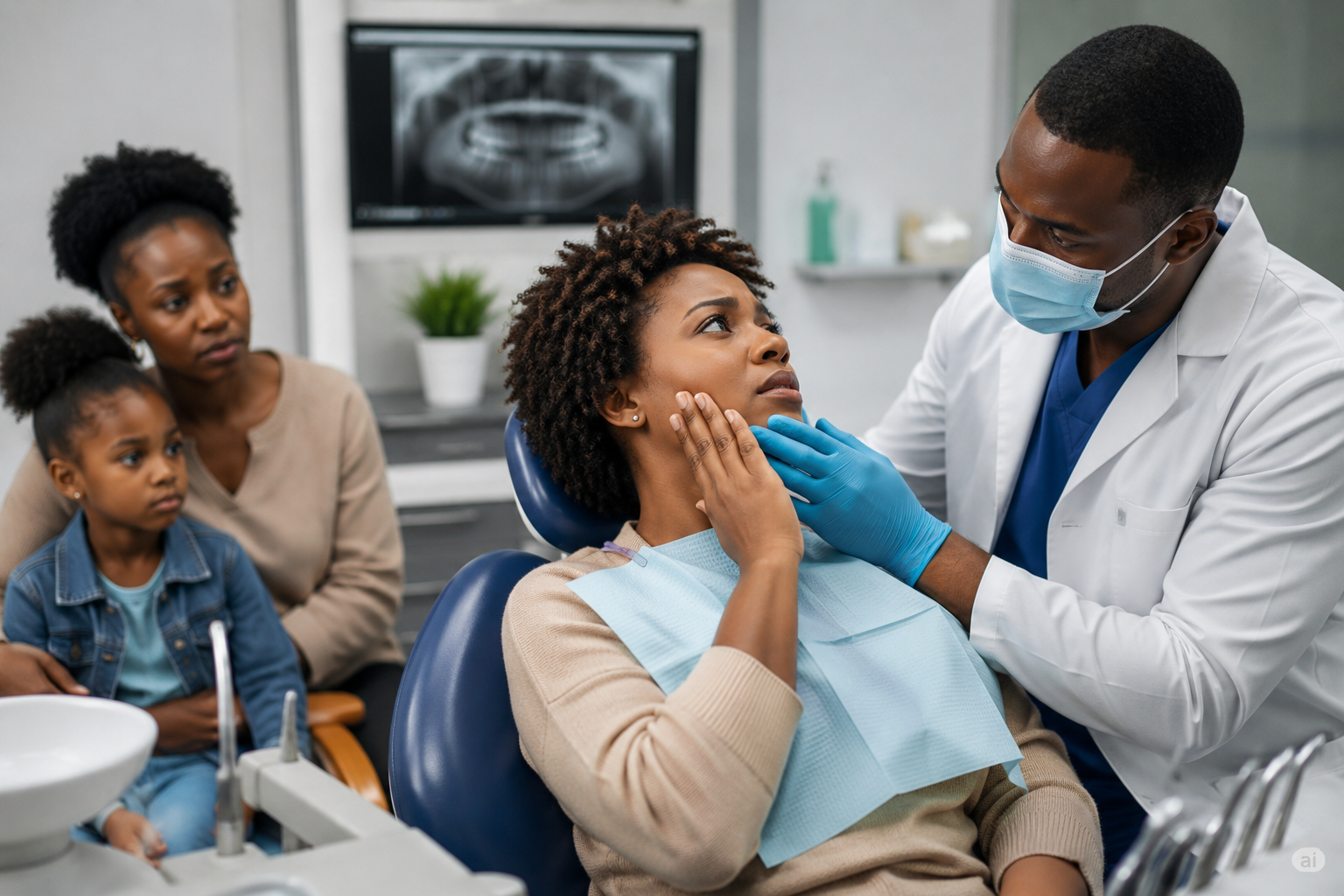
Most parents are unsure whether a sudden toothache or a dental injury really needs an emergency visit, or what will happen if they do. This uncertainty can make an already painful situation even more stressful.
When a patient visits a dentist in Livingston during these times, their attention is usually directed toward a quick evaluation, pain relief, and preventing further harm to the tooth and/or surrounding tissues. The main objective of emergency dental care is to promptly assess the problem and manage it effectively.
This blog outlines what to expect during an emergency dental visit and treatment to help patients feel informed rather than anxious.
What Is Considered a Dental Emergency?
The American Dental Association (ADA) categorizes official emergencies into highly specific criteria. These signs can assist you in rapidly evaluating the level of danger you are dealing with:
- Uncontrolled Soft Tissue Bleeding: Deep cuts on the tongue, lips, or inner mouth that do not stop even when constant pressure has been applied for 15 minutes.
- Facial Swelling (Cellulitis): Facial swelling within the mouth or outside of the mouth on the face, jaw, or neck area.
- Avulsed (Knocked-Out) Permanent Tooth: A completely dislodged adult tooth from its socket, which demands hyper-urgent replacement.
- Severe Pulpal Inflammation: Agonizing, spontaneous, throbbing pain that indicates acute irreversible pulpitis (nerve inflammation) or a localized pocket of pus.
What Happens During Your Emergency Dental Visit?
Walking into an urgent medical environment can trigger substantial anxiety for both children and parents. Understanding the clinical workflow helps demystify the experience and reduces situational stress.
Initial Check-In and Medical History Review
When you arrive, the dental team will quickly review your symptoms and collect basic information to understand your emergency situation.
They will ask about your pain, when it started, what makes it better or worse, and any medicines or treatments you have already tried.
You should also share your complete medical history, including health conditions, allergies, pregnancy, or other concerns. This helps the dental team provide safe and effective care based on your needs.
Emergency Dental Examination
Once in the operating chair, the clinical focus centers entirely on localized stabilization. The practitioner conducts a targeted visual examination with specialized diagnostic instruments, gently checking for tooth mobility, soft-tissue swelling, or structural fractures.
Because many severe problems hide completely beneath the visible gumline, the team will take targeted digital X-rays of the affected area.
Modern digital radiographs use an exceptionally low dose of radiation and provide instantaneous, high-resolution images of the internal tooth structure, root tips, and surrounding alveolar bone. This allows the provider to accurately trace the precise origin of the pain or infection.
Diagnosis and Immediate Treatment Plan
After clinical and imaging evaluations have been completed, the practitioner will immediately diagnose and clarify the cause of the problem in plain terms.
The goal of an emergency visit is two-fold: first, to stop the pain immediately or eliminate the infection; secondly, to create a plan to permanently restore your oral structure.
The provider will walk you through your immediate choices, outlining the procedure, cost, and timeline to help you make an informed decision under duress.
Emergency Treatments Recommended by a Dentist in Livingston, NJ
The specific treatment recommended during an emergency visit depends on the diagnosis, severity of symptoms, and overall condition of the affected tooth or oral tissues.
Emergency Pain Relief Options
The first step is to stop the excruciating pain. The practitioner will usually administer a very strong local anesthetic, thereby completely numbing the area. If you are extremely anxious or panicking, sedation is administered in order to help you relax.
Tooth Repair Procedures
For chipped or cracked teeth without nerve damage, quick repairs keep the tooth safe. The dentist applies a tooth-colored composite resin to smooth out sharp edges, places a temporary crown to protect deep cracks, or replaces broken fillings to seal out food and bacteria.
Treatment for Dental Infections
A dental abscess is serious and requires prompt medical attention. The dentist will carefully drain the painful pocket of pus to instantly relieve pressure. If they notice the infection starting to spread into your jaw, they will prescribe a targeted course of antibiotics.
Emergency Root Canal Therapy
When severe decay or deep cracks reach the inner nerve, a root canal is needed to save the tooth. The dentist opens the tooth, removes the dying, painful tissue, thoroughly cleans the inner canals, and seals it to prevent future infections.
Tooth Extraction in Severe Cases
If a tooth is split completely in half beneath the bone line or the infection is too deep to fix, pulling it is the healthiest option. Your local dentist in Livingston, NJ numbs the area, safely removes the tooth to stop the pain, and protects your jawline.
How Long Does an Emergency Dental Appointment Usually Take?
The average duration of an emergency dental appointment is usually 45-90 minutes, depending on the type and severity of the issue. The main goal is to provide quick relief and stabilize the problem.
- Minor Dental Issues: A small fracture or lost filling may take around 30-45 minutes for assessment and temporary repair.
- Dental Abscess Treatment: A localized abscess requiring drainage and diagnosis may take about one hour.
- Complex Procedures: Emergency root canals or surgical extractions can take up to 90 minutes.
- Focus of Emergency Visits: Most urgent dental appointments aim to reduce pain, control infection, and stabilize the tooth rather than complete permanent restoration.
- Follow-Up Care: A later visit may be needed to place a long-lasting restoration after the emergency is treated.
Emergency dental care provides fast relief and protects your oral health while preparing your tooth for complete treatment.
Conclusion
Sudden dental pain or an unexpected injury can be frightening, but you do not have to face it alone. Delaying care can make the problem worse and increase the risk of infection or long-term damage.
Trusted dentists in Livingston, New Jersey, at The Honest Crown understand how stressful dental emergencies can be and provide prompt, reliable care to relieve pain and protect your smile.
When an emergency happens, getting timely treatment can help prevent further complications and support your long-term oral health.











comments +