


Last Updated on October 13, 2026 by Successful Black Parenting Staff
All parents have experienced it at least once: their child is glued to a screen, negotiating with them for an extra couple of minutes, and wondering – what if their child fell in love with the sport they’re watching? What if they want to try it? What if they get a confidence boost from laps finished, goals scored, or the simple pride of getting stronger?
Sports can do that. Quietly, Gradually. Powerfully.
They do more than build muscles. They build nervous systems that handle stress better. They build lungs that carry energy into adulthood. They build minds that understand discipline, resilience, and patience, things no Internet game has ever successfully taught. But which sports actually shape healthy, thriving kids physically and mentally?
Get the Monday email + free printables for your child’s age
The week's best articles for parents raising Black children, plus free printables and book picks. One email, every Monday. Sign up and we will send you our two routine charts plus a free printable made for your child’s age, from a hospital bag checklist to a teen phone agreement.
Let’s talk about the ones that leave a mark for life.

Football: The Global Giant That Builds Bodies and Billion-Dollar Dreams
This is an obvious one, so naturally we’ll start with it. Football. Football is more than a sport. It has become an ecosystem. A culture. A machine that has turned into one of the most profitable industries worldwide. In recent years, the football industry has generated hundreds of billions globally through broadcasting rights, sponsorships, and transfers. Major tournaments fill stadiums, dominate screens, and turn players into icons before they’re even old enough to rent a car.
That sense of belonging can follow them off the pitch, especially when football becomes part of how they express their personality. Mystery football shirts can turn a simple conversation into a guessing game, but check the size and club details carefully if it is meant to be worn for training rather than just fun.
Why does it matter for your child? Football builds endurance like few other sports. During training, they’ll constantly sprint, run, stop, and react, which forces their cardiovascular system to adapt quickly. The children who play football develop coordination, agility, and spatial awareness almost without realizing it. They also gain mental benefits. This sport teaches them teamwork in its purest form. They learn quickly that they can’t win alone. They learn to trust. To communicate. To recover after losing.
Swimming: The Sport That Builds Quiet Strength
Swimming is a silent sport. IT doesn’t shout for attention like football. It whispers. You won’t notice a roaring crowd during swim practices. No dramatic tackles. Just water, breath, and movement. And this might be exactly what your child needs to take a break from the chaotic world they’re growing up in. Beneath the calm surface, swimming builds one of the strongest, most balanced bodies possible. It strengthens the heart. Expands lung capacity. Develops nearly every muscle group without punishing the joints.
For children, it’s especially powerful because it teaches body awareness early. They learn rhythm. Timing. Control. And water has something deeply regulating about it. Many parents notice that kids who swim regularly sleep better, focus better, and feel calmer. Swimming doesn’t just create strong bodies. It creates a regulated nervous system.
Martial Arts: Where Confidence Is Forged, Not Given
If you enroll your child in martial arts, you will soon notice that the sport changes how they carry themselves. You’ll see it in their posture first. Then in their eyes. Sports like karate, taekwondo, or judo teach discipline in a way few activities can. Progress is slow. Belts are earned. Nothing is instant. Children learn that effort leads to growth. That respect matters. That strength is something you build deliberately. They also learn emotional control because martial arts don’t reward chaos. They reward focus. And this, for most children, is transformative, especially for those who are shy. They start to feel more confident day by day.
Gymnastics: The Foundation Of All Movement
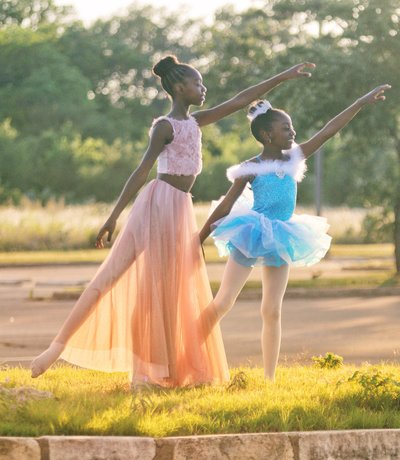
During gymnastics practice, children learn how their bodies work. They learn balance, coordination, flexibility, and spatial awareness. These skills form the foundation for almost every other sport they might try later in life. Gymnastics also builds resilience because falling is basically part of the process. And so is trying again, and again. Children learn early that failure isn’t final; it provides information. And physically, the strength they develop is astonishing. Core strength, stability, control—these things protect their bodies for life. Gymnastics creates capable movers. And capable movers become confident humans.
Cycling: Freedom On Two Wheels
At some point, cycling stops being something a child learns and becomes something they own. They have their first independent ride. They conquer their first hill. Cycling builds endurance, leg strength, cardiovascular health, and independence. It requires children to learn navigation, awareness, and decision-making. They feel speed powered by their own effort and, most importantly, associate movement with freedom rather than obligation. That relationship with exercise often lasts forever.
Tennis: The Sport That Builds Strategic Thinkers
Many people describe tennis as physical chess. So expect your child to learn quickly that power alone isn’t enough. They need timing, strategy, and patience. It develops hand-eye coordination beautifully. It sharpens reflexes. It trains the brain to process information quickly and respond precisely. And because tennis often involves one-on-one play, children learn accountability. There’s no hiding. No blaming teammates. They learn to manage pressure. To adapt. To recover. These mental skills become invaluable far beyond the court.
Athletics: The Purest Expression Of Human Ability
Running. Jumping. Throwing. Athletics strips sport down to its essence, and it teaches your children what their bodies can do when you push them gradually and safely. Running helps build heart health. Jumping helps them build explosive strength. Throwing helps them develop coordination and power. Athletics is the sport that teaches children goal-setting in the simplest form. Turn a little faster. Jump a little farther. Progress easily becomes visible. Tangible. And your child begins to understand that they improve through something they create.
At The End Of The Day…
What matters most isn’t the sport they practice but their relationship with movement. The truth is that your child doesn’t need to become a professional athlete. They don’t need trophies or medals. But they need a body that feels like home. And sports teach children they can do anything they want. Adaptable. Strong. They teach them that effort changes things. And in a world where so much happens on screens, that lesson is priceless. Because children who grow up moving grow up differently. They sleep better. Focus better. Handle stress better. They trust themselves. And that trust becomes the foundation for everything else.








comments +