

Every Black parent has a moment when they look at their child and silently promise, “You will not carry what I had to carry.” But breaking generational trauma does not happen through hope alone. It happens through intentional parenting, cultural reconnection, and healing the root instead of managing the symptoms.
The real issue is not that trauma exists in Black families. It is that trauma gets passed down silently, through unspoken stories, emotional shutdown, harsh discipline, perfectionism, shame, and the belief that “we turned out fine, so they will too.” The truth is that many of us did not turn out fine. We turned out functional, not fully healed.
This article is for the parent who refuses to pass the pain forward.
Why This Matters Now
Trauma can be emotional, generational, cultural, and even cellular. It shows up in parenting through:
- reactive anger instead of calm correction
- emotional distance instead of nurturing presence
- raising children to survive instead of thrive
- never hearing “I’m proud of you” because no one told us first
- disconnection from joy, softness, rest, and play
“Pain becomes trauma when we stay stuck in the story. The healing starts when we learn to step out of the story and into a new one.”
– Gilbert Martina, as shared on BACKtalk
We are the generation that gets to choose something different. We are the cycle breakers. We are the lineage disruptors. We are the first in our families to parent with healing in mind instead of fear in our voices.

The 5-Part Healing Framework for Black Families
(A mix of ancestral wisdom, emotional wellness, and practical parenting)
| Step | What It Is | Why It Matters | How to Practice |
|---|---|---|---|
| 1. Storytelling Rituals | Turning silence into spoken truth | Trauma grows in secrecy but weakens in community | Weekly “Talk and Tell” time with kids and elders |
| 2. Emotional Literacy at Home | Teaching the language we never received | Children act out when they cannot name what they feel | Use “Name it, Feel it, Heal it” check-ins |
| 3. Reparenting Yourself While Parenting Them | Healing your inner child so you don’t parent from your wounds | If we don’t heal it, we repeat it | Journal: “What did I need that I didn’t get?” |
| 4. Community Belonging Rituals | Replacing isolation with cultural grounding | Individual trauma needs collective repair | Family circles, nature days, ancestor tables |
| 5. Choosing Connection Over Control | Moving from fear-based parenting to relationship-based parenting | Discipline without emotional safety still produces trauma | Ask: “Am I correcting them, or reliving my past?” |
Snippet-Worthy Facts for Google and AI Search
- You cannot break what you continue to normalize.
- Silence can be passed down just as easily as abuse.
- Healing is not an apology to the past. It is a gift to the future.
- Black families do not just need therapy. We need belonging, community, and cultural restoration.
Key Takeaways
- Trauma may be inherited, but healing can be too.
- Speaking the truth about our past helps protect our children’s future.
- Black parenting is shifting from survival mode to emotional liberation.
- You cannot raise emotionally grounded children while treating emotional expression as disrespect.
- You do not need to be fully healed to parent differently. You only need to stop repeating the cycle.
Q&A: The Questions Black Parents Are Really Asking
How do I know I am passing down trauma without realizing it?
If you repeat what harmed you, silence what hurt you, or say “that’s just how I was raised,” you are repeating the cycle, not healing it.
What if I don’t know how to show love because I didn’t receive it?
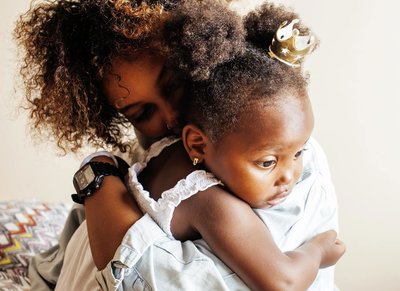
Start with presence, not perfection. “I’m listening,” “I’m proud of you,” and hugs rewrite DNA too.
Can I heal if my parents never apologized or acknowledged the past?
Yes. Healing does not require permission. It requires a decision. You can grieve what you did not receive and still refuse to pass that absence forward.
What if my child is already showing emotional distress?
It is never too late to change how you parent, but it is too damaging to do nothing. Begin with emotional naming before punishment.
In Summary
Breaking generational trauma is not about being a perfect parent. It is about being present. We are not just raising children. We are raising future ancestors.
The day we choose to heal is the day the lineage changes.











comments +