



By Janice Robinson-Celeste

Best Black heritage travel can feel like a lot when you’re already juggling work, kids, money, and life. But this kind of trip is bigger than a vacation. It can help your child feel rooted, proud, and connected to something beautiful and real.
So you’re thinking about taking the family on a heritage trip. Maybe Ghana. Maybe the Civil Rights Trail. Maybe Brazil. And you’re wondering: where do I even START? Girl, I got you.
You do not need a perfect itinerary. You just need a clear reason for going, a few smart choices, and space for your child to learn, feel, and have fun.
At Successful Black Parenting Magazine, we believe trips like this help Black children build identity, confidence, and a stronger sense of belonging across the global diaspora. And yes, you can make it meaningful without making it stressful.
Wondering Where To Begin With Best Black Heritage Travel?
Start with your own family story.
Before you book anything, ask your elders questions. Record the stories. Write down names, cities, traditions, church roots, migration memories, and little details people usually forget.
Sometimes your best Black heritage travel destination comes from one conversation at the kitchen table.
You might learn your people came through the Carolinas. You might find ties to the Gullah Geechee corridor. You might hear a clue that points you toward Ghana, Senegal, or somewhere else in the African diaspora.
If you want a strong starting place in the U.S., the National Museum of African American History and Culture gives your family rich context for the Black experience in America.
A few easy ways to start:
- Ask grandparents what they remember about where the family lived.
- Look through old photos, funeral programs, and family Bibles.
- Use DNA results as a clue, not the whole story.
- Match your destination to your child’s age, interests, and attention span.
Key takeaway: Your trip will feel more powerful when it connects to your real family story.
Want The Trip To Feel Real And Not Tourist-y?
Then follow the people, not just the brochures.
One of the smartest moves you can make is booking with Black-owned hotels, guesthouses, and tour operators. They often know the history behind the history. They can show you the murals, neighborhoods, food spots, and cultural details you would miss on a standard tour.
That matters because your child is not just seeing a place. Your child is seeing how Black people live, create, lead, and thrive there.
In places like Brazil, New Orleans, the Caribbean, and West Africa, community-led experiences can give your family a fuller picture of local Black life.
Look for guides who offer:
- Local history from a Black cultural lens
- Family-friendly pacing
- Food, music, and neighborhood stops
- Space for questions and conversation
Key takeaway: Spending your money in the community makes the trip more meaningful and more authentic.
Nervous About Talking To Your Child About Hard History?
That makes sense. Some sites will hit your heart hard.
But you do not have to avoid them. You just need to prepare your child with honesty, calm, and love.
Before you visit a painful site, let your child know what they may see and hear. Keep it simple. Tell the truth. Then remind them that Black history is not only about pain. It is also about brilliance, resistance, faith, family, creativity, and survival.
That balance matters for emotional safety.
Try this before a visit:
- Tell younger kids, “Some unfair things happened here, but our people were strong.”
- Tell older kids, “We are learning what happened and how people fought back.”
- Ask, “If anything feels heavy, do you want to talk right away or later?”
- Plan something light after the visit so nobody stays stuck in the heaviness.
Key takeaway: The goal is truth with hope, not trauma without support.
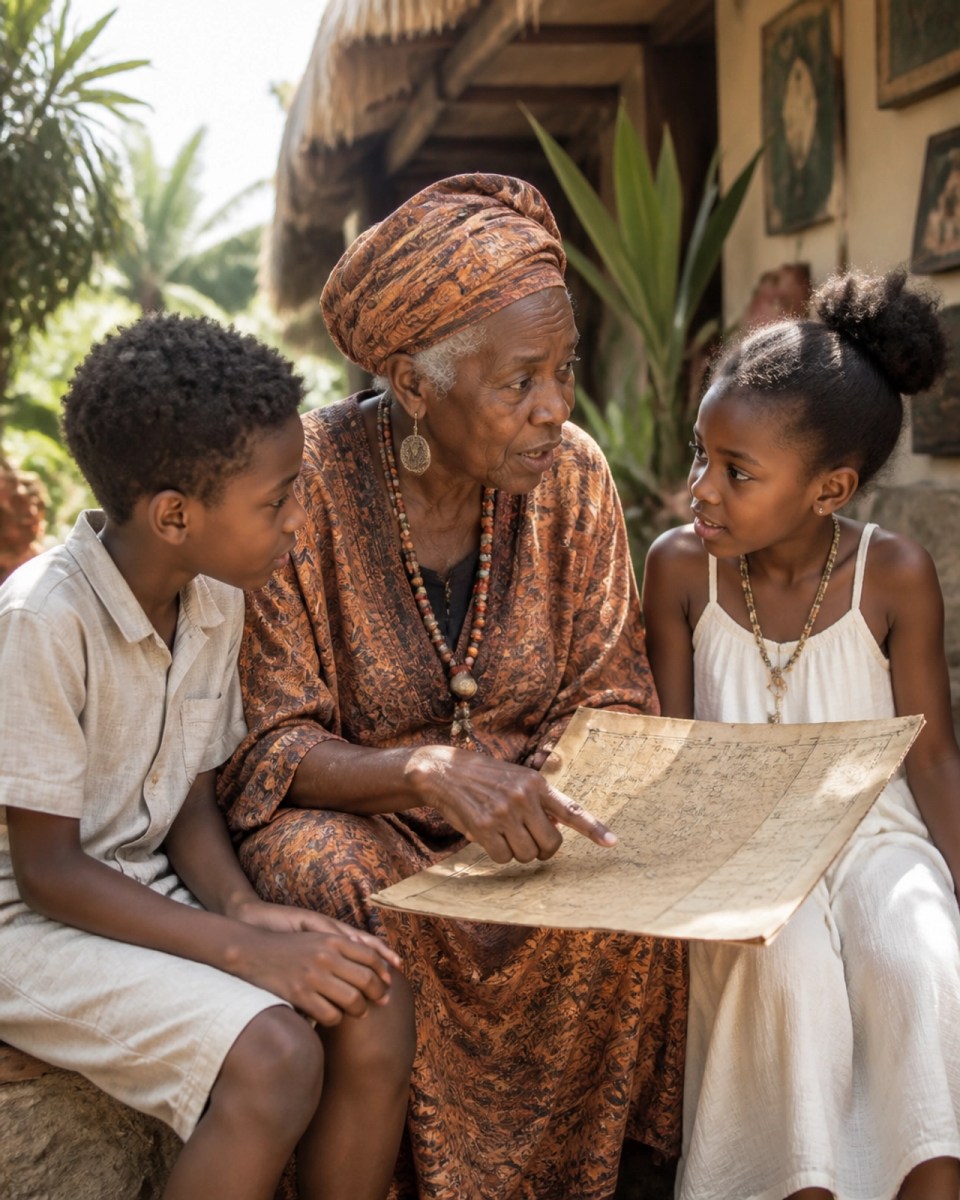
Thinking It Has To Be All Museums And Serious Faces?
Absolutely not.
The best Black heritage travel includes joy on purpose. Your child needs to feel the music, taste the food, laugh, move, and see Black life in full color.
So if you do a deep history site in the morning, balance it with something fun later. That rhythm helps your child stay open instead of overwhelmed.
Think about mixing in:
- A drumming class
- A local market
- A beach day
- A dance performance
- A Black art gallery
- A neighborhood food tour
If your child loves sports, find a game. If they love music, follow the sound. If they love fashion, look for local designers and makers.
Key takeaway: Joy is not extra. Joy is part of the heritage.
Need Easy Ways To Keep The Learning Going?
Pack a simple culture kit.
You do not need to overdo it. Just bring a few things that help your child connect the dots between what they see and what it means.
That could look like:
- A book tied to the destination
- A playlist with local or diaspora music
- A short documentary for the flight
- A notebook for questions and reactions
- A map your child can follow along with
If you are heading through the American South, a book like The Watsons Go to Birmingham, 1963 can help. If you are going to West Africa, load up some Afrobeats or highlife before you leave.
Key takeaway: A little prep makes the whole trip stick better in your child’s mind.
Want Your Child To See Blackness As Global?
This is one of the most beautiful parts of the whole trip.
When your child meets Black people in different cities and countries, something clicks. Blackness stops feeling small or boxed in. It becomes global, layered, and alive.
So if you can, connect with local people in a respectful, natural way. That might mean attending a service, visiting a community event, eating at a family-owned restaurant, or joining a local class.
You do not need to force deep connections. Even simple moments count.
Your child might remember:
- Playing with local kids
- Hearing another accent
- Watching a family pray, cook, dance, or celebrate
- Realizing “we are everywhere”
Key takeaway: Seeing Black people thrive around the world expands your child’s sense of who they are.

Worried You Will Forget The Good Parts Later?
You probably will unless you capture them.
A heritage trip is family history in motion. So document it in a way that feels easy, not like another job.
Give your child a journal, let them take pictures, or ask one simple question each night: What made you feel proud today?
You can also create a shared album, a short family video, or a little keepsake box after the trip. For more ideas, check out Successful Black Parenting Magazine’s guide to capturing family memories in the Bahamas.
A few memory prompts your child can answer:
- What surprised you today?
- What did you learn?
- What smelled or tasted amazing?
- What made you feel connected?
Key takeaway: Documenting the trip turns a vacation into part of your family legacy.
Trying To Plan For Different Ages Without Losing Your Mind?
That part matters more than people admit.
The best Black heritage travel plan for a 5-year-old is not the same as the plan for a teen. Younger kids need movement, snacks, breaks, and simple stories. Teens usually want more context and more say in what happens.
So build the trip around real energy levels, not fantasy travel goals.
A few smart planning rules:
- Keep heavy sites shorter for younger kids.
- Add downtime every day.
- Let teens help pick at least one stop.
- Choose interactive places when possible.
- Do not pack every hour.
If your teen wants to visit an HBCU campus, a music landmark, or a local youth space, let that be part of the plan. Buy-in changes everything.
Key takeaway: Age-appropriate planning helps everybody enjoy the trip more.
Thinking Heritage Travel Is Out Of Your Budget?
It does not have to be.
Yes, some destinations are expensive. But meaningful does not always mean luxury. Sometimes the most powerful parts of the trip are the walking tour, the auntie-owned guesthouse, or the conversation with a local elder.
Focus your money on experiences your child will remember.
Try these budget moves:
- Travel in the shoulder season
- Track flights early
- Stay a little outside the main tourist zone
- Choose one or two big experiences instead of many random extras
- Look for museum family passes or free days
According to the U.S. Bureau of Labor Statistics, many families are still feeling pressure from everyday costs, so being intentional with spending matters. You are not doing less. You are doing what works for your real life.
Key takeaway: A well-planned heritage trip can be meaningful without draining your wallet.
Wondering How To Make The Travel Days Count Too?
The journey is part of the lesson.
A road trip through the South can spark a conversation about the Civil Rights Movement. A flight to Ghana can open up a map lesson about West Africa. A train ride can become the perfect moment to ask, “What do you think today is going to feel like?”
You do not need a formal lesson plan. Just stay curious together.
Try these easy travel-day prompts:
- What do you already know about this place?
- What do you want to learn?
- What do you notice right now?
- What felt important today?
Those check-ins help your child process what they are seeing in real time.
At the end of the day, best Black heritage travel is about more than history. It is about helping your child feel grounded, proud, and connected. It is about letting them see that they come from people who built, dreamed, created, survived, and loved big.
And friend, that kind of trip stays with a child.
So start small if you need to. Pick one place. Ask one elder. Book one meaningful stop. You do not have to do everything at once to give your child something powerful.
I’m rooting for you. And I hope this trip gives your family the kind of joy, pride, and memory-making you will talk about for years.
Frequently Asked Questions
What’s The Best Age To Take Kids On A Heritage Trip?
Honestly, there is no perfect age. If your child can notice, ask questions, and handle some walking or sitting, you can make it work. School-age kids often get the most out of it, but even younger children can benefit from the sights, sounds, music, and pride-filled atmosphere.
How Do I Find Black-Owned Tour Guides Without Spending Hours Searching?
Start with Black travel communities online, local tourism pages, and word-of-mouth from other Black families. Look for guides who clearly center Black history, culture, and family-friendly experiences. Reviews will tell you a lot.
Is It Too Heavy To Take Young Kids To Places Connected To Slavery Or Racism?
Not if you prepare well. Keep the language age-appropriate, stay calm, and balance hard moments with joy afterward. The goal is not to scare your child. The goal is to help them understand truth, strength, and survival.
How Do I Make A Trip Like This Affordable?
Plan early if you can. Watch flights, travel off-peak when possible, and choose the experiences that matter most. You do not need a luxury budget to create a meaningful memory.
What If I Feel Like I Don’t Know Enough History Myself?
You are not alone. You do not have to know everything before you go. Learn alongside your child, ask questions, and use trusted resources. That alone models curiosity, pride, and confidence.
Author

Discover more from Successful Black Parenting Magazine
Subscribe to get the latest posts sent to your email.











comments +